Published
Location
Duration
Topic
Opinion
Opinion
Why Good Lighting Matters in Blender and Unreal Engine 5
Written by
Jake Cox

Why Good Lighting Matters in Blender and Unreal Engine 5
Lighting is one of the most important factors in high-quality 3D visuals. At Big Yellow Fishes, we often see that lighting—not polygon count or texture resolution—is what truly determines whether a scene feels realistic, cinematic, and professional. When working in Blender and Unreal Engine 5, good lighting allows us to shape mood, guide the viewer’s eye, and elevate the perceived quality of a product, environment, or interior space. Poor lighting can make even the best assets feel flat, artificial, or unfinished.
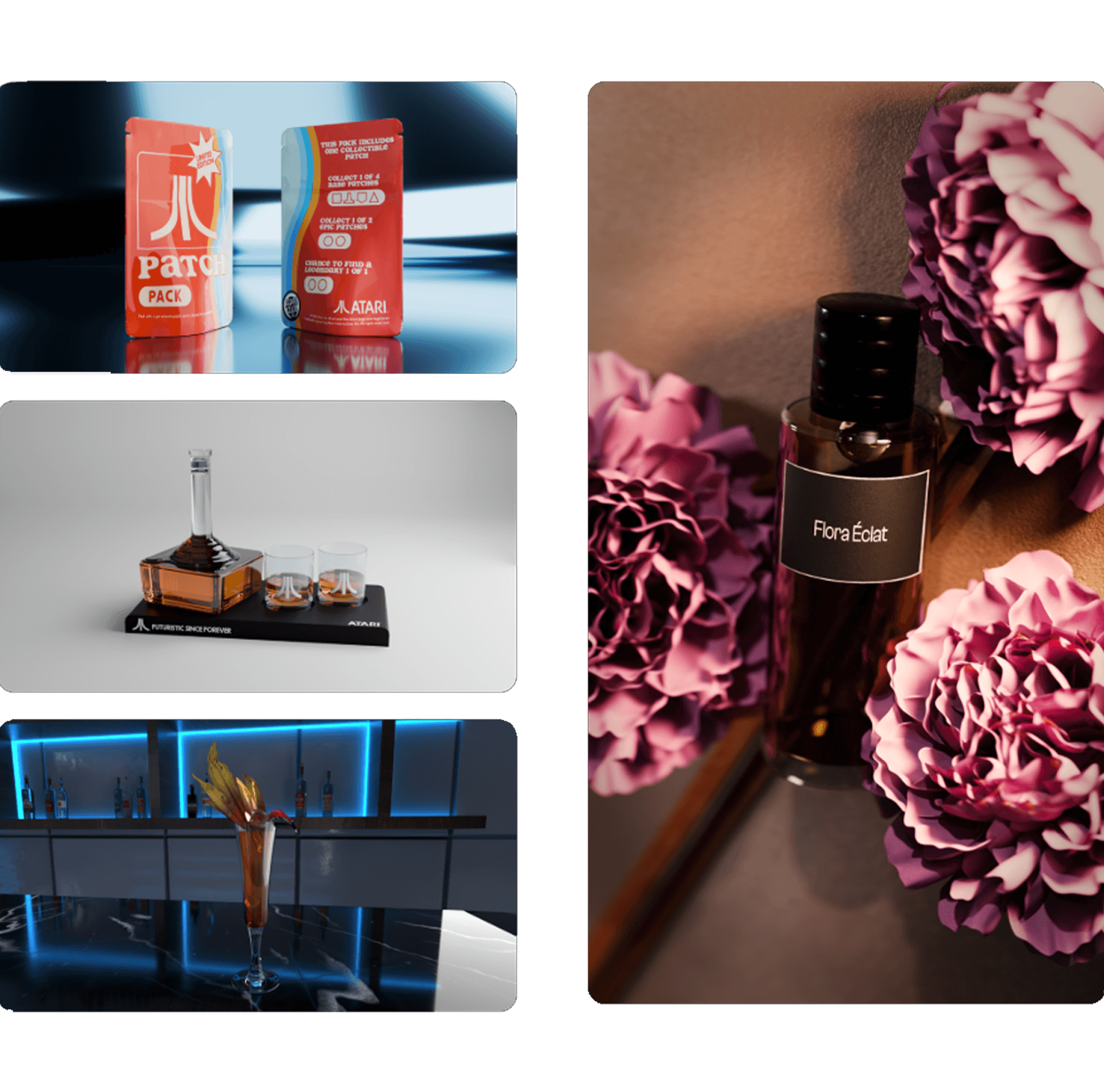
For product renders, lighting is what makes materials feel real and products feel premium. The way light wraps around an object defines its shape, highlights surface details, and controls reflections on materials like metal, glass, and plastic. In Blender, we typically use studio-style lighting setups combined with soft area lights to produce clean, controlled results. In Unreal Engine 5, real-time lighting lets us quickly adjust angles, intensity, and reflections, making it easier to refine product shots and respond to client feedback without long render times. Strong product lighting is especially important for e-commerce, advertising, and marketing visuals, where first impressions matter and visual clarity directly impacts perceived value.
Environment Art Lighting: Mood, Scale, and Atmosphere
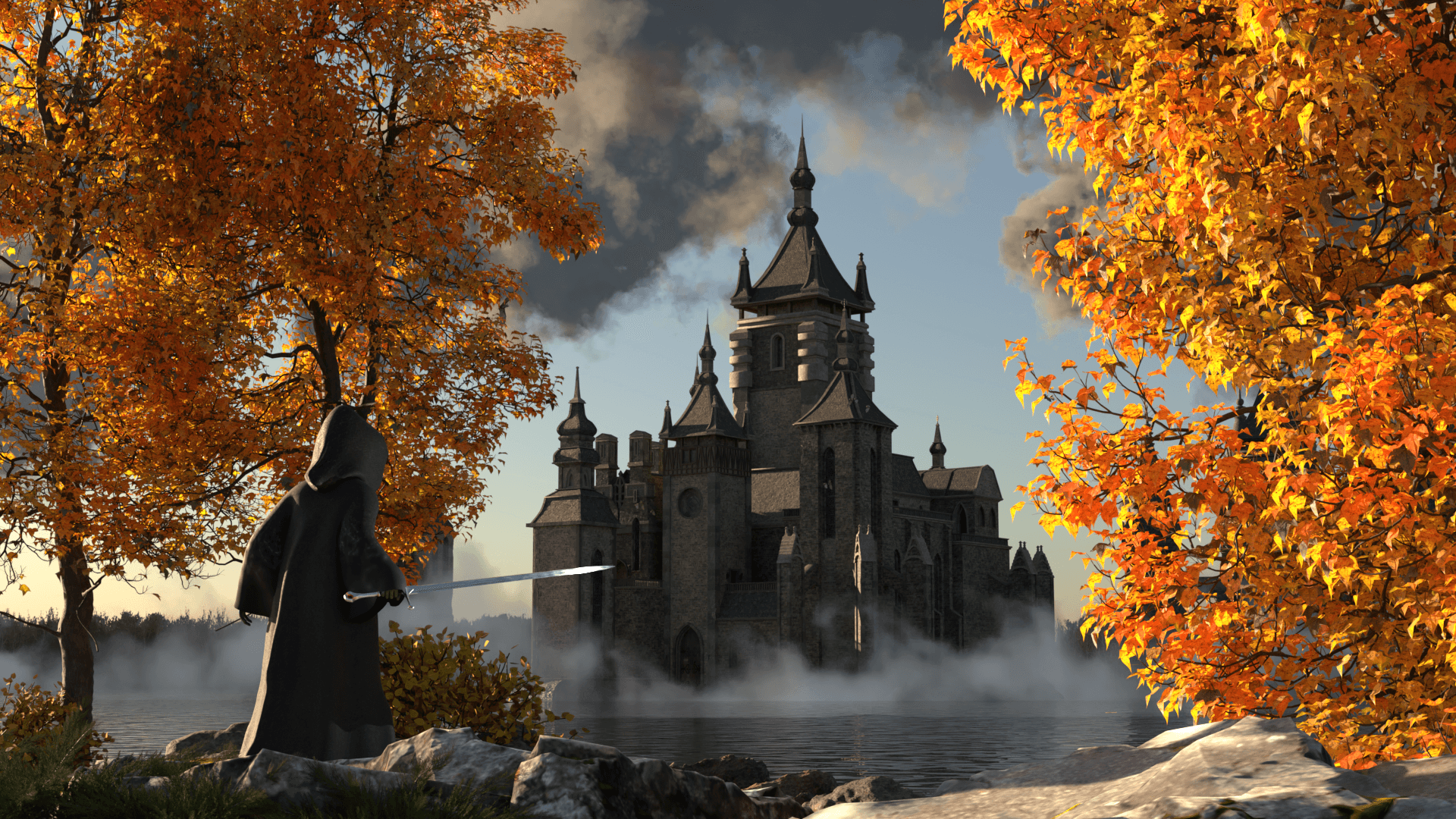
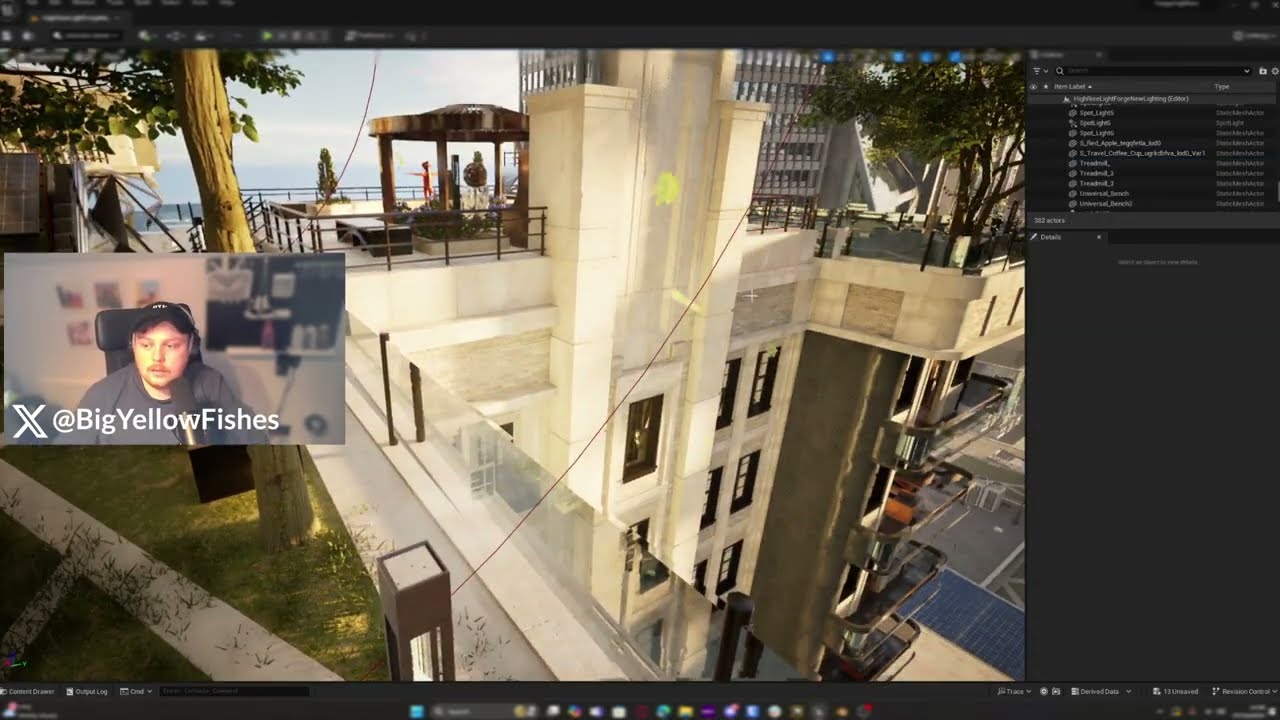
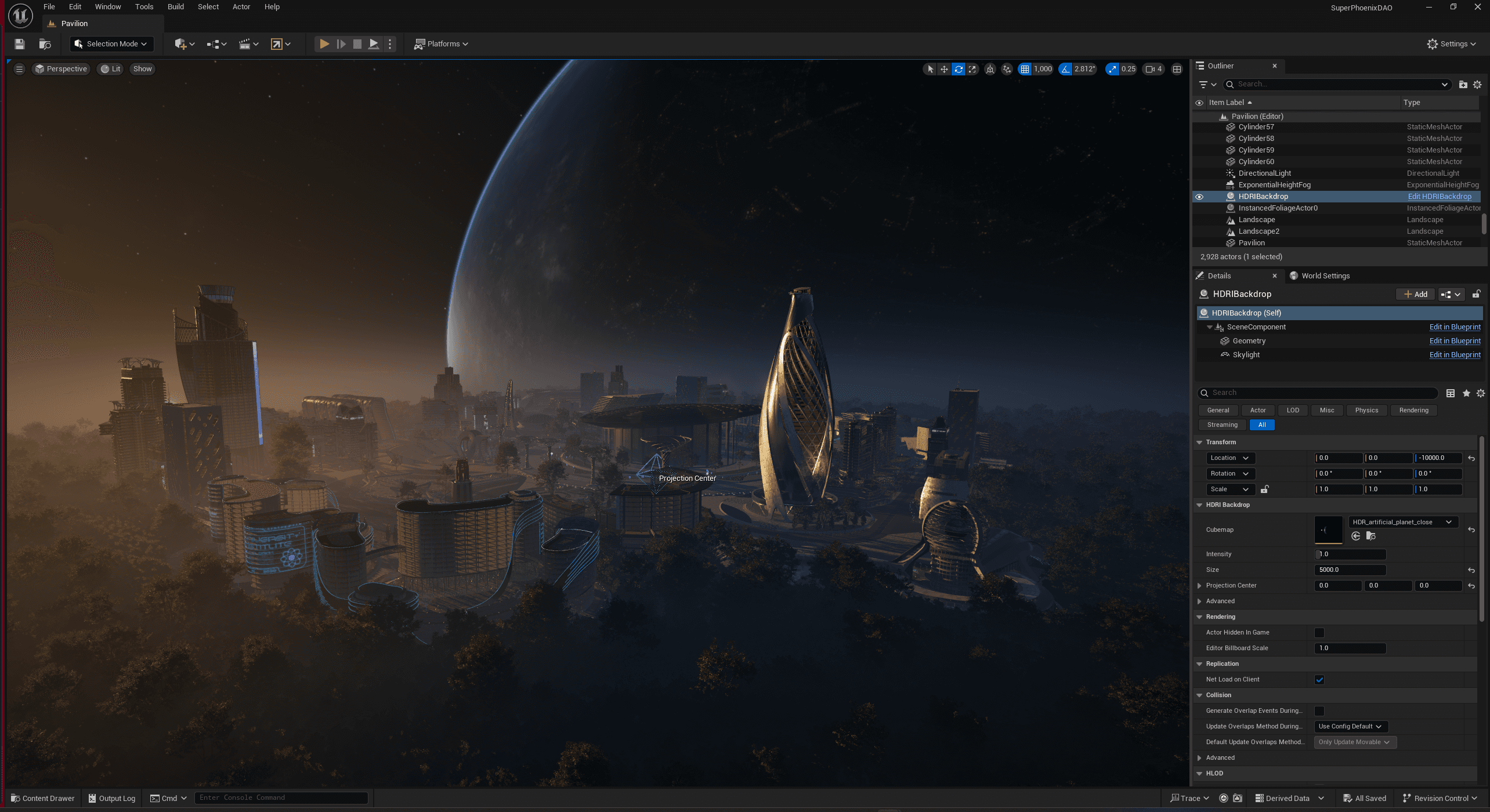
Lighting plays a major role in how environments are experienced. It establishes the time of day, creates atmosphere, and helps large scenes feel grounded and believable. Without thoughtful lighting, environments can feel empty or confusing, regardless of how detailed the assets are. In Unreal Engine 5, we use real-time lighting, global illumination, and atmospheric effects to create depth and mood in cinematic and interactive environments. In Blender, we rely on carefully controlled light placement and contrast to craft strong compositions for still images and pre-rendered scenes.
Good environment lighting doesn’t just illuminate a scene - it tells a story and guides the viewer through the space.
Interior Lighting: Realism Through Subtle Light
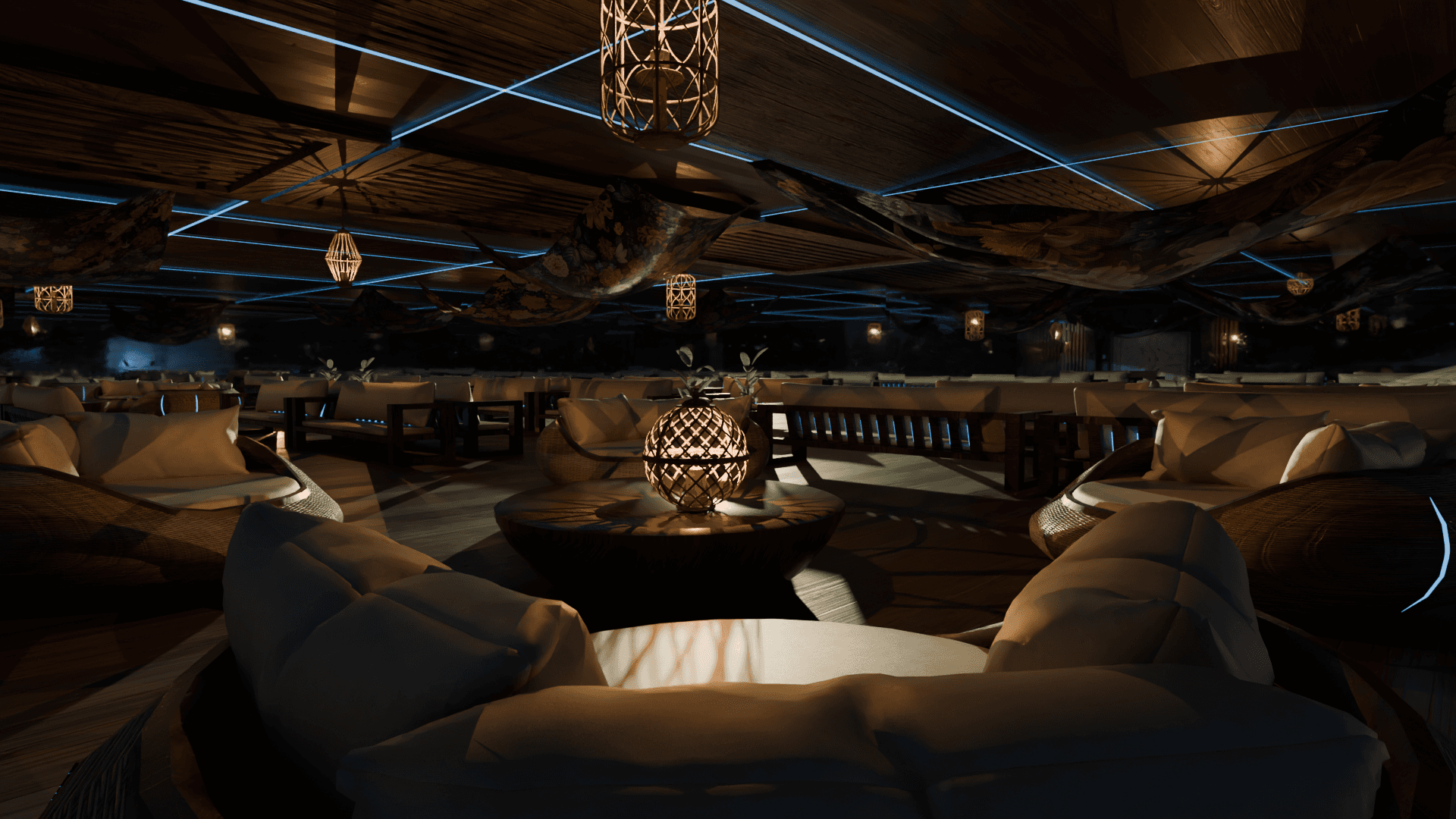


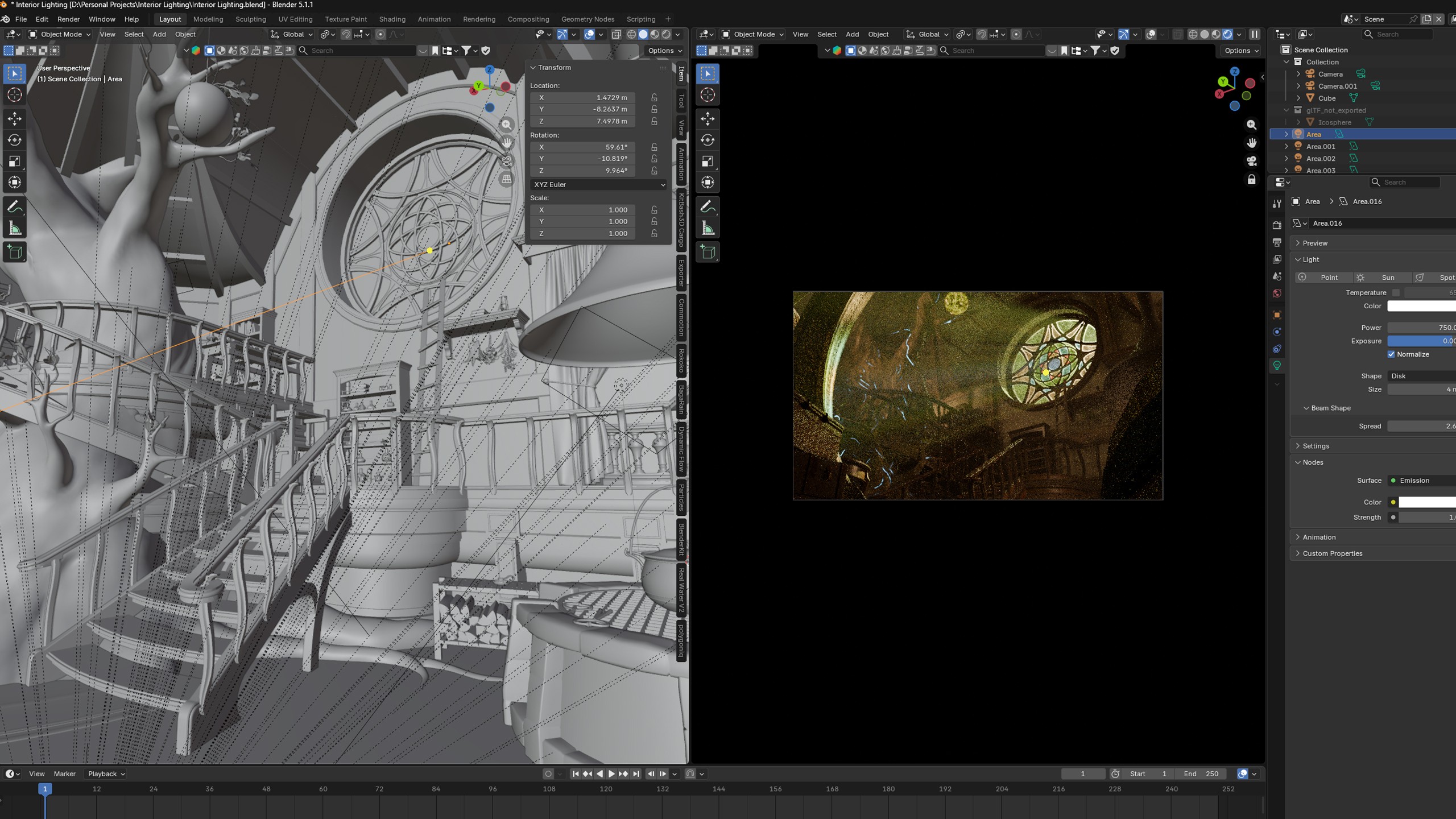
Interior lighting is one of the most challenging aspects of 3D rendering because real interiors rely heavily on indirect light. Most of what we see in real rooms comes from light bouncing off walls, floors, and ceilings rather than from direct light sources. Using Unreal Engine 5’s real-time global illumination, we can achieve natural-looking interiors without long bake times, which is ideal for walkthroughs and interactive experiences. In Blender, we carefully balance light strength and colour temperature to avoid harsh shadows or overexposed scenes. This approach is particularly effective for architectural visualization, interior design presentations, and virtual showrooms where realism and comfort are key.
Same Principles, Different Tools
While Blender and Unreal Engine 5 use different rendering technologies, the fundamentals of good lighting remain the same. Direction, contrast, colour temperature, and shadow quality all play a major role in how believable a scene feels.
Blender excels at highly controlled, high-detail renders, while Unreal Engine 5 shines in real-time lighting for cinematics, games, and interactive content. At Big Yellow Fishes, we often move between both tools to get the best balance of quality and efficiency.
Lighting Is a Creative and Production Advantage
Good lighting doesn’t just improve visuals — it also saves time. When lighting is handled correctly early in production, there’s less need to overcompensate with complex materials, heavy textures, or late-stage fixes. This keeps projects efficient, flexible, and cost-effective. At Big Yellow Fishes, lighting is treated as a core part of every project, whether we’re creating product renders, cinematic environments, or realistic interiors. It’s the foundation that turns good 3D work into great visual content.